


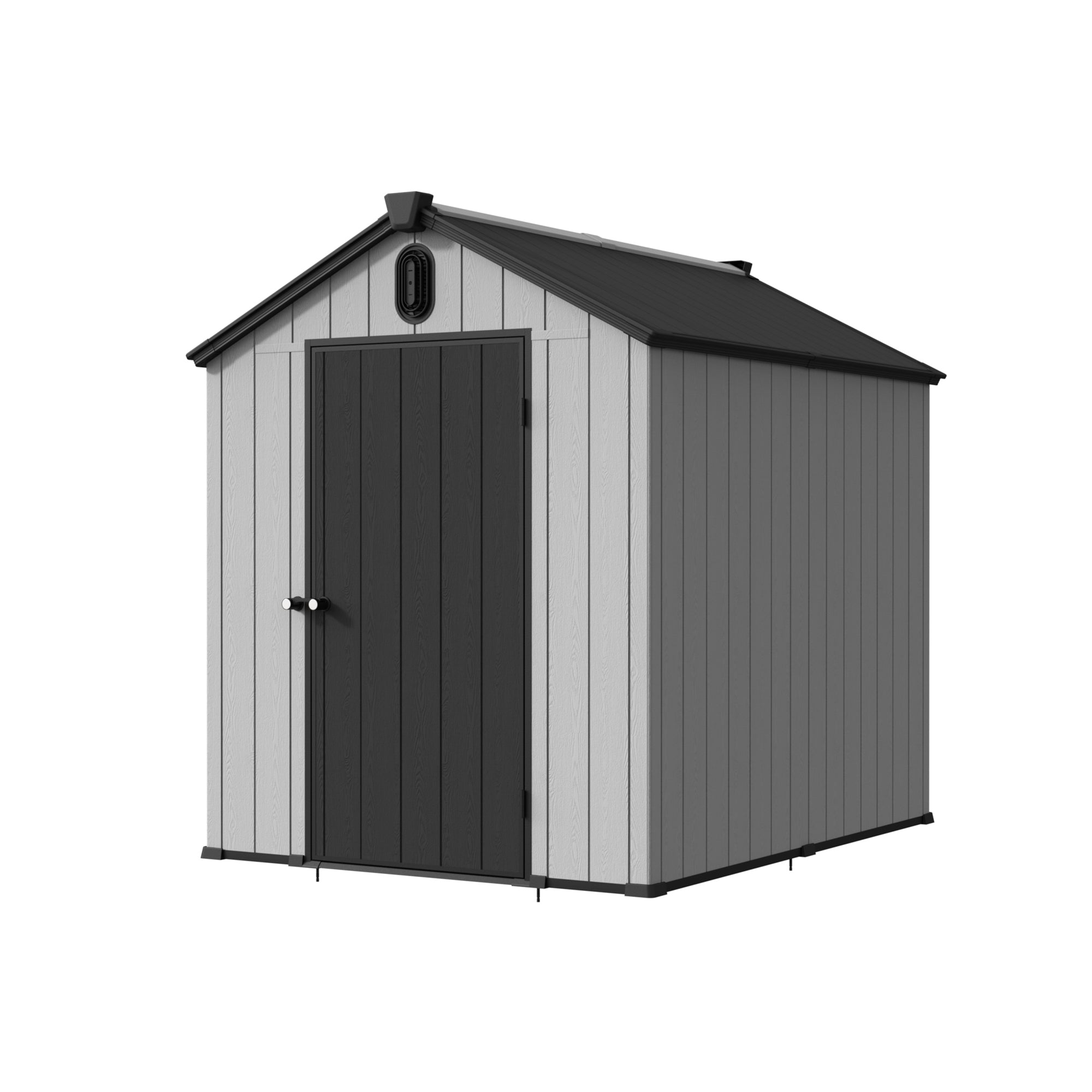
Waltons 6 x 8 Composite Garden Shed


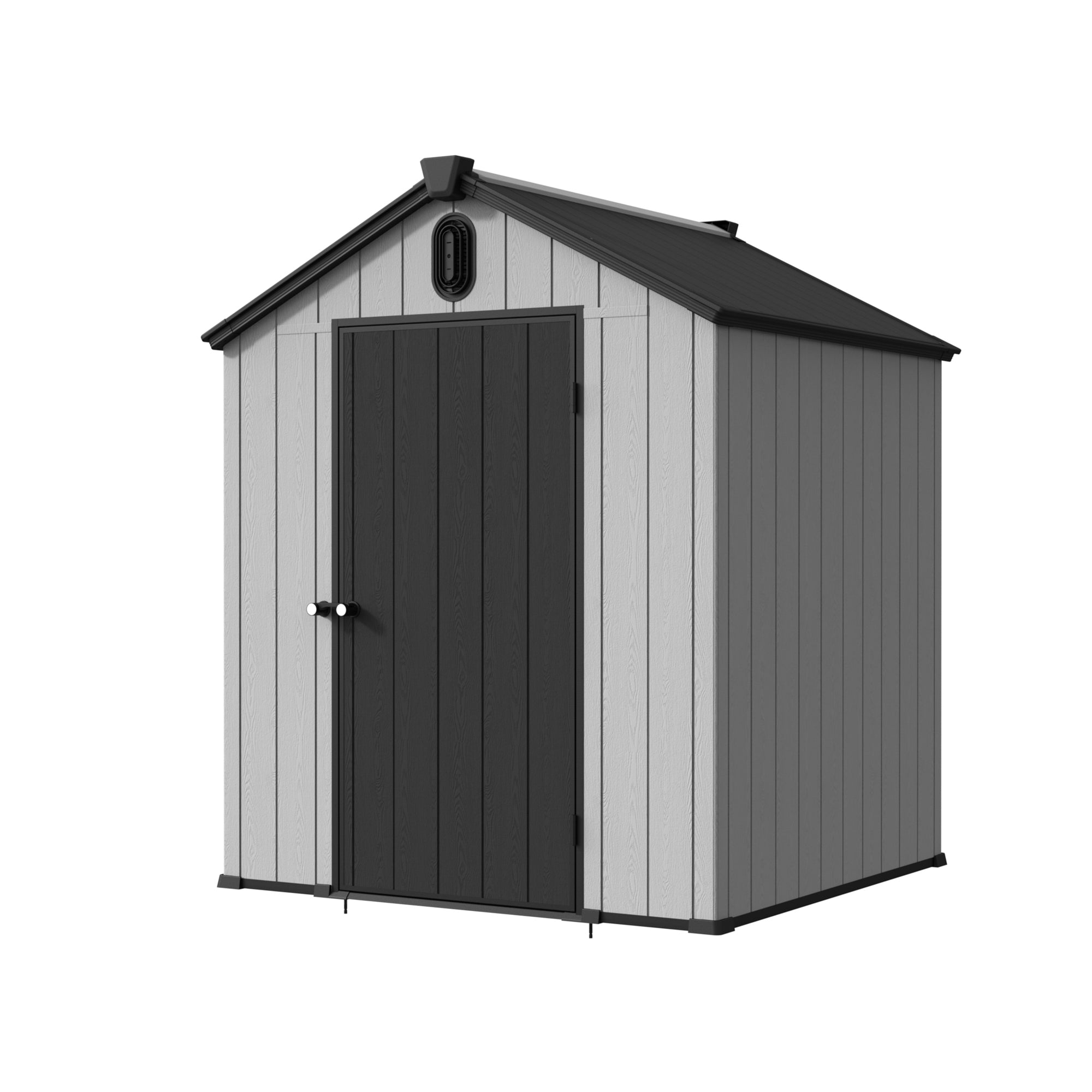
Waltons 6 x 6 Composite Garden Shed
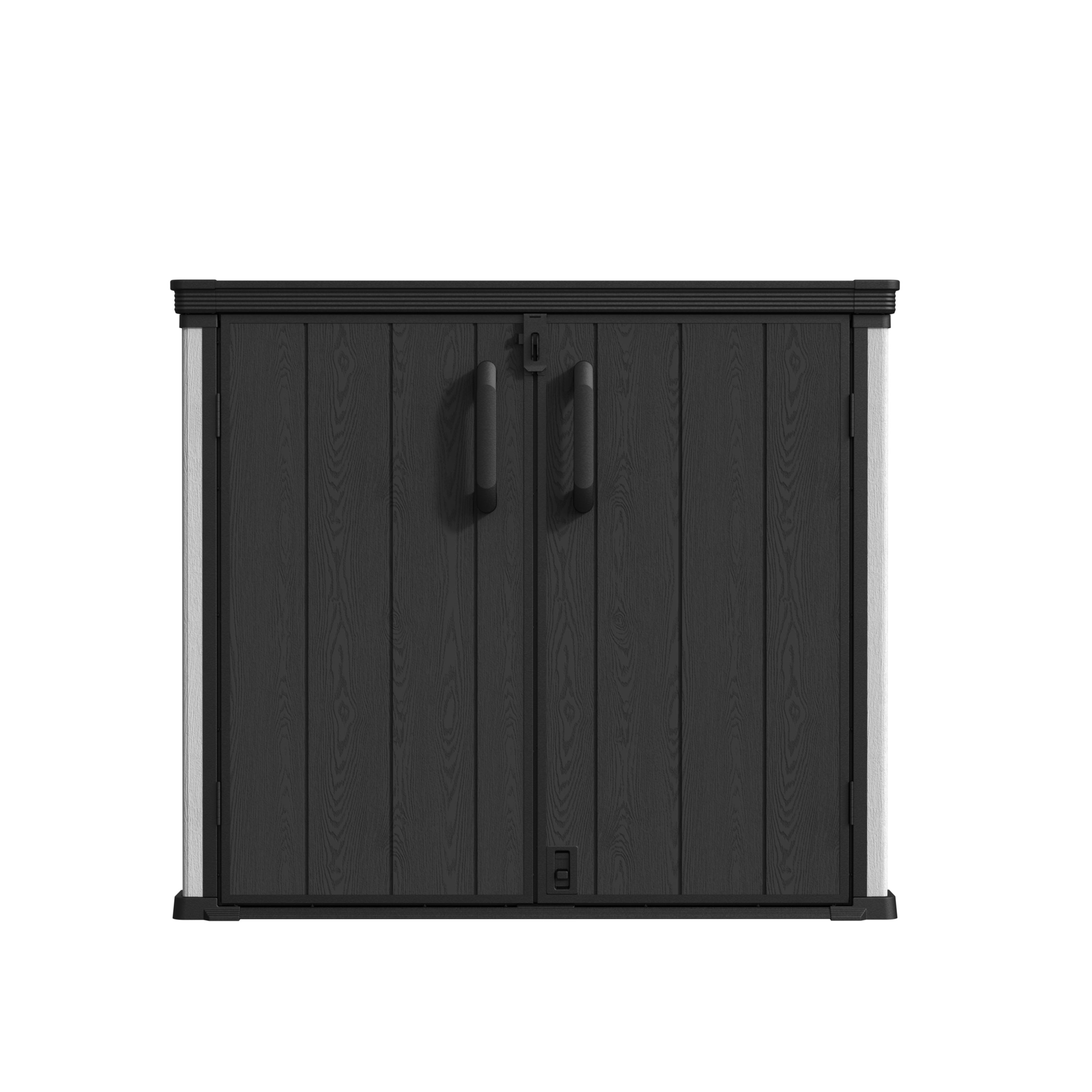
Waltons 900L Horizontal Composite Cabinet
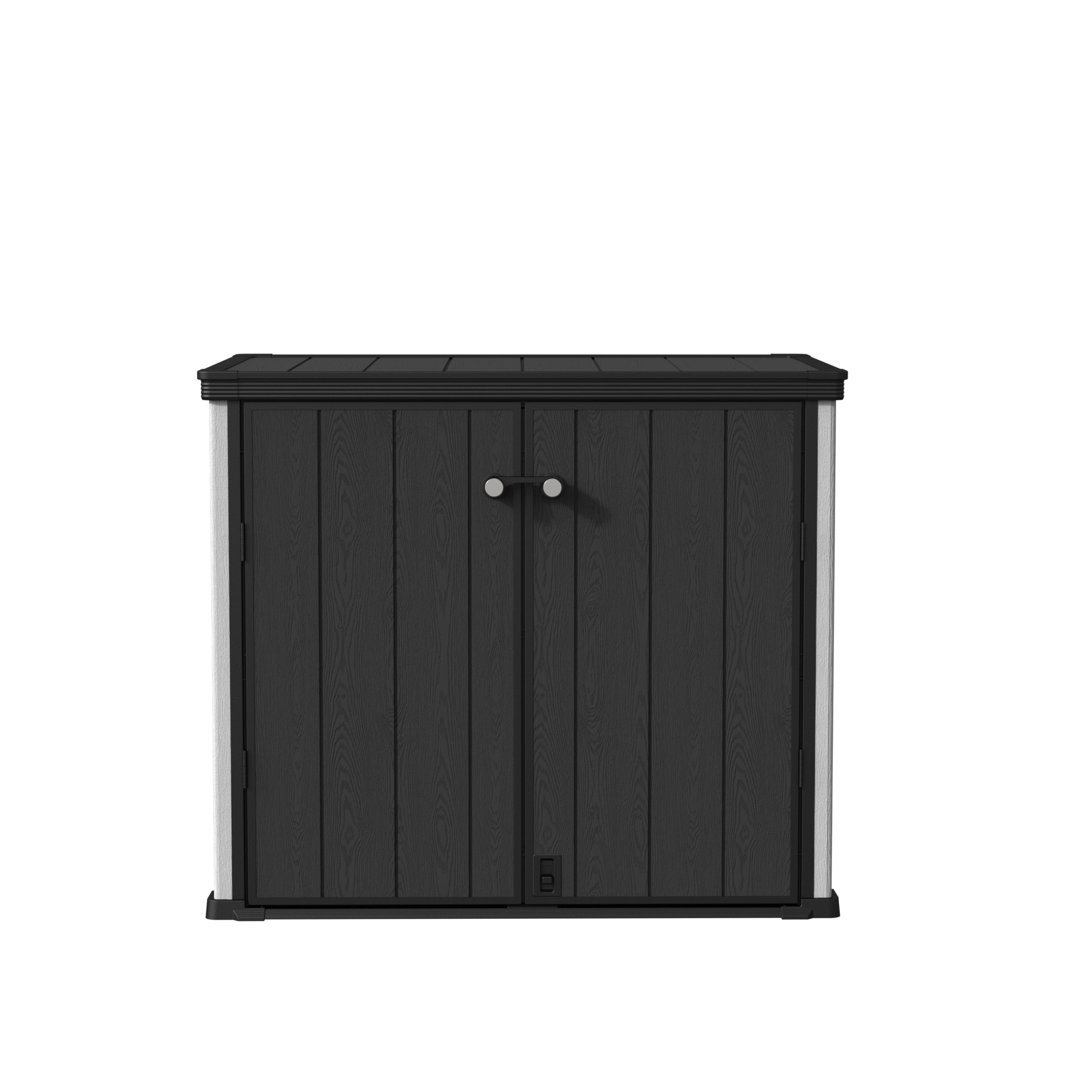
Waltons 900L Vertical Composite Cabinet
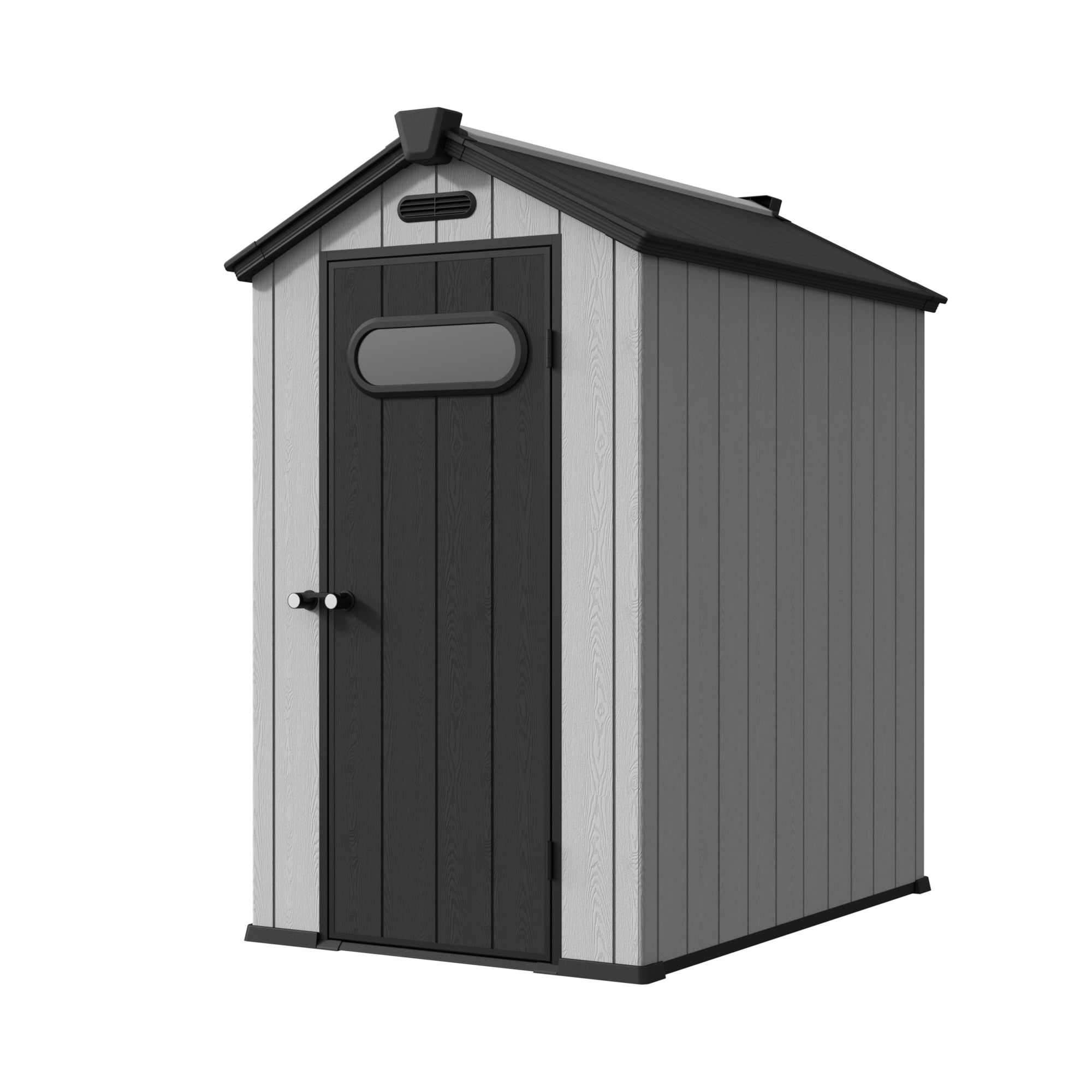
Waltons 4 x 6 Composite Garden Shed
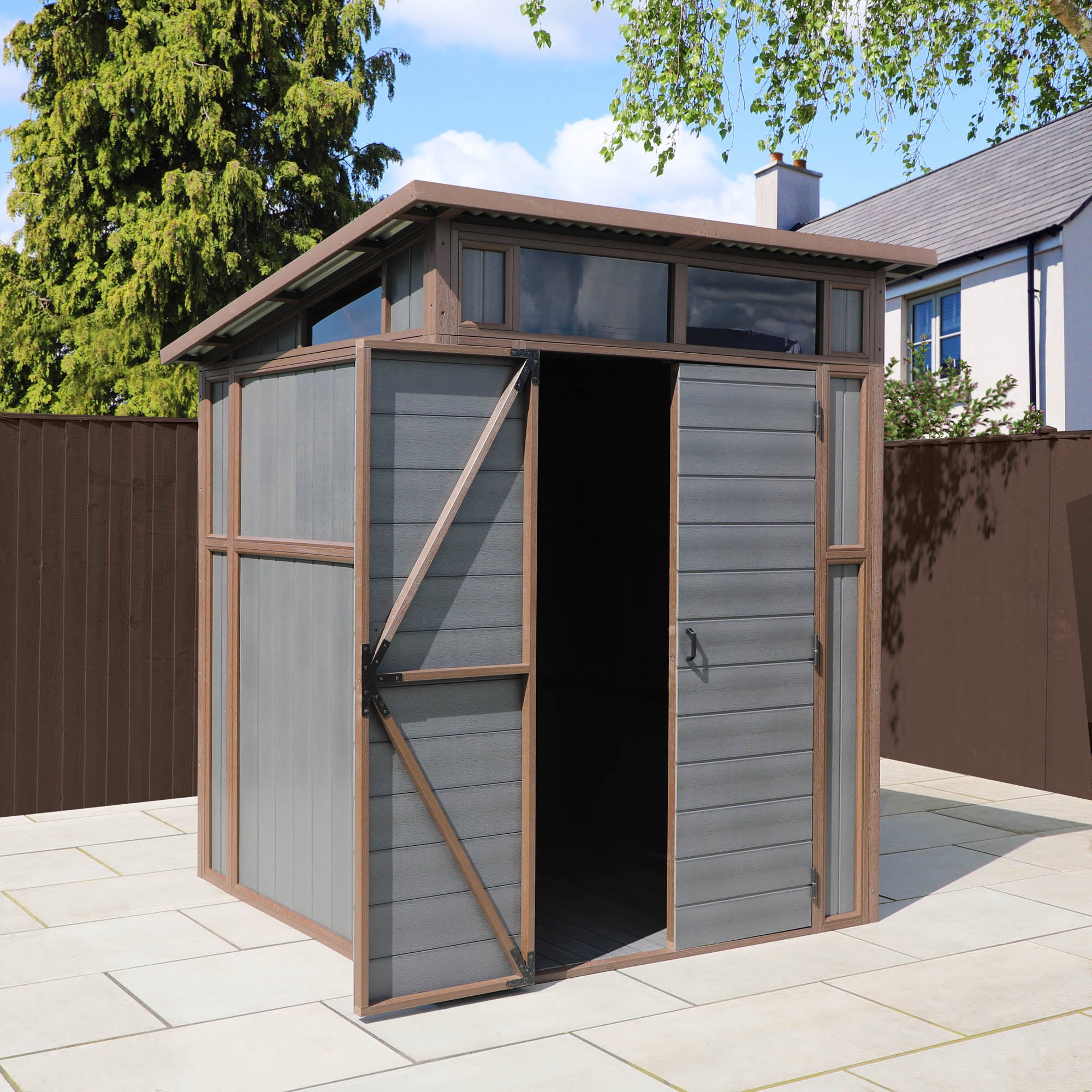
7 x 7 Premium Composite Pent Shed

Built from recycled composite wood-effect panels, which are guaranteed against fading for 10 years, composite sheds are reinforced with strong framing. A corrugated roof keeps the rain off while windows high in the walls let lots of natural light in without allowing prying eyes a glimpse of your belongings. Looking for more shed options? Our comprehensive shed buying guide should have all the info you need.
Benefits of composite sheds
Composite side panels and doors give your shed strength and longevity without the need to spend your time applying paint finishes. Built to last for a long time, a shed like this has plenty of space to store your tools and equipment with none of the hassles associated with traditional wooden sheds.
Uses of composite sheds
Perfect for busy people – when time in the garden is limited, or you’re often away, it’s good to know your shed is secure and highly resistant to damage and degradation by the weather. Ideal for use on allotments, for example, this shed is light and airy and makes a great base from which to shelter from rain showers and enjoy a cup of tea and a biscuit. It also offers plenty of secure storage for your tools, and it’s both waterproof and fire-retardant too.
Installing a composite shed
All sheds must be sited on a level area to prevent warping and distortion. Once you’ve cleared and flattened the site, build a firm base from paving slabs or concrete – we offer a step-by-step guide to all the different types of shed bases – and you’re ready to erect your shed. Our composite sheds come with full assembly instructions, but should you have any queries, we offer a helpline manned by our team of experienced staff who’ll be happy to advise you.
Frequently Asked Questions
What are the benefits of composite sheds compared to wooden sheds?
Composite sheds offer an alternative for those seeking a contemporary, durable design that needs minimal maintenance. Their wood-effect finish gives a smart look without the traditional upkeep, like the paint and treatment a timber shed will need.
What is the difference between composite and plastic sheds?
A composite shed is generally constructed using a combination of wood fibres and recycled plastics. This makes it strong and durable and gives it an authentic look. A plastic shed, on the other hand, will be more lightweight and less elaborate in its design. A composite shed will feel sturdier and look more premium, while a plastic shed is chosen for its convenience and simplicity.
Are composite sheds maintenance-free?
The reason most people prefer to use composite sheds is that they require the minimum amount of maintenance while offering a large number of benefits. To maintain a composite shed, only basic maintenance is needed. Keep the panels clean, remove debris from the roof and check the condition of your doors, fixings and base to ensure it remains in good order.
How durable are composite sheds in UK weather?
A composite shed should be able to withstand the extreme UK weather conditions with ease. The material is built to handle all the elements that tend to cause most damage to sheds: rain, dampness, and fluctuating temperatures. Composite or resin-based sheds are often promoted as being rot-resistant, rust-proof, UV-resistant, and requiring less maintenance than traditional materials, giving them the upper hand over untreated wood and standard metal.
Are composite sheds suitable for heavy-duty storage?
Yes, composite sheds are typically suited to large-scale storage in gardens that include tools, equipment and other outdoor accessories. Before using the shed for heavier machinery, you should check the floor strength, door width and internal measurements of the specific model. When storing heavy items, a concrete or slab base is recommended.
